
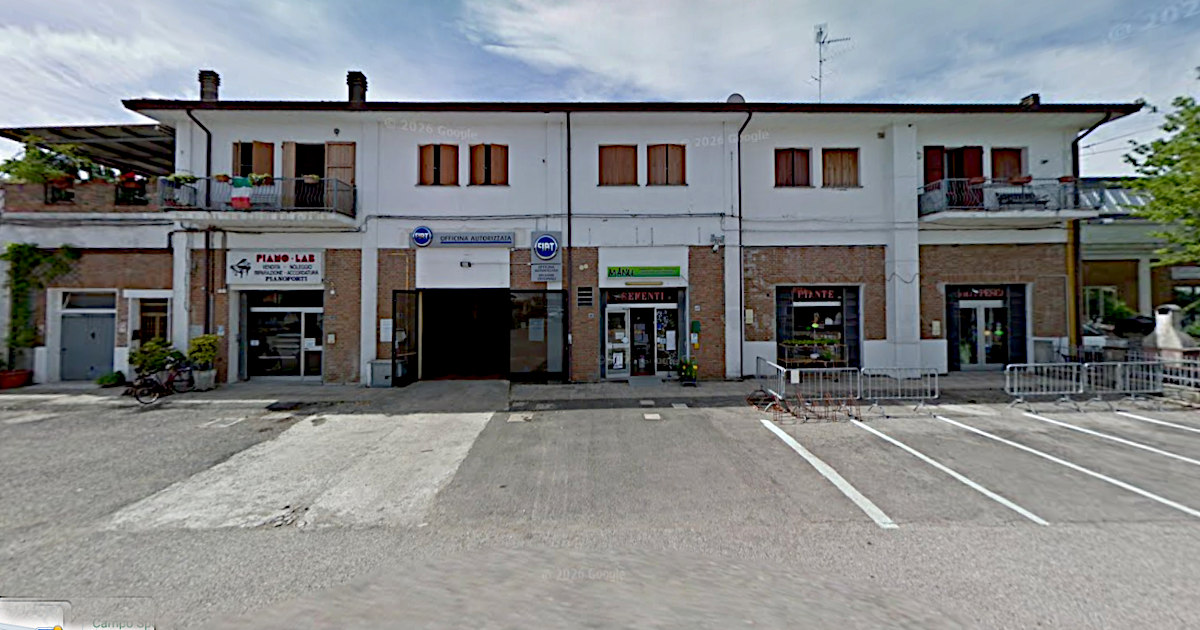
Current name: Former Cafioc factory
Original name: Cafioc (House of the Hemp Ribbon)
City: Tresigallo (FE) (ITA)
Address: via Del Mare 50
Year of construction: 1935
Designer: Carlo Frighi, based on an idea by Edmondo Rossoni
Clients: Cafioc
Architectural style: Rationalist
Interior visitable: Yes
Notes: An emblematic building but aesthetically compromised
Cafioc is included in a dedicated itinerary in this guide
Italy boasts a long tradition of using hemp for textile purposes, making rope, and paper. The domestic product surpassed that of other European nations in quantity and quality and became crucial to the Italian economy. Emilia-Romagna was a key region in the production of hemp for textiles, and the Ferrara area in particular played a key role in its cultivation. With the 1935 Ethiopian War, the imposition of “sanctions” by the League of Nations, and the subsequent beginning of the autarchic period, hemp was required to replace cotton on a massive scale to prevent its importation.
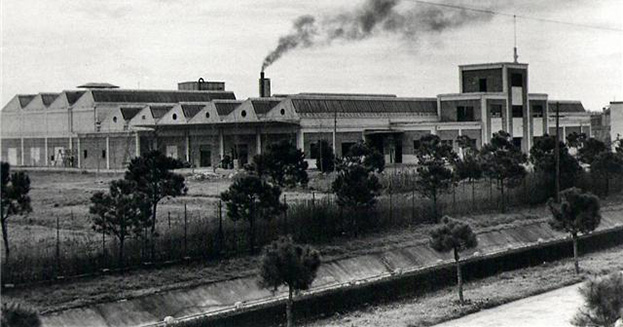
The Cafioc (House of Hemp Flakes) factory, owned by a Rome-based company, began producing hemp flakes in Tresigallo (note the figurative juxtaposition with cotton flakes) in 1935. Its location within the city’s urban grid was particularly significant. It was built at the base of the main street of the new industrial city conceived by Tresigallo’s minister, Edmondo Rossoni. It is a straight, symbolically rich path that, starting from the factory, crossed Piazza Della Rivoluzione (Piazza della Repubblica) until reaching the new cemetery where the large mausoleum that Rossoni himself commissioned still stands today. In the years immediately following, other “self-sufficient” factories operating in the hemp sector were established, such as CELNA (National Cellulose), which processed the residues of macerated hemp, the National Consortium of Hemp Producers, MALICA (Linen and Hemp Manufacturing), and SAIMM, which produced agricultural machinery.
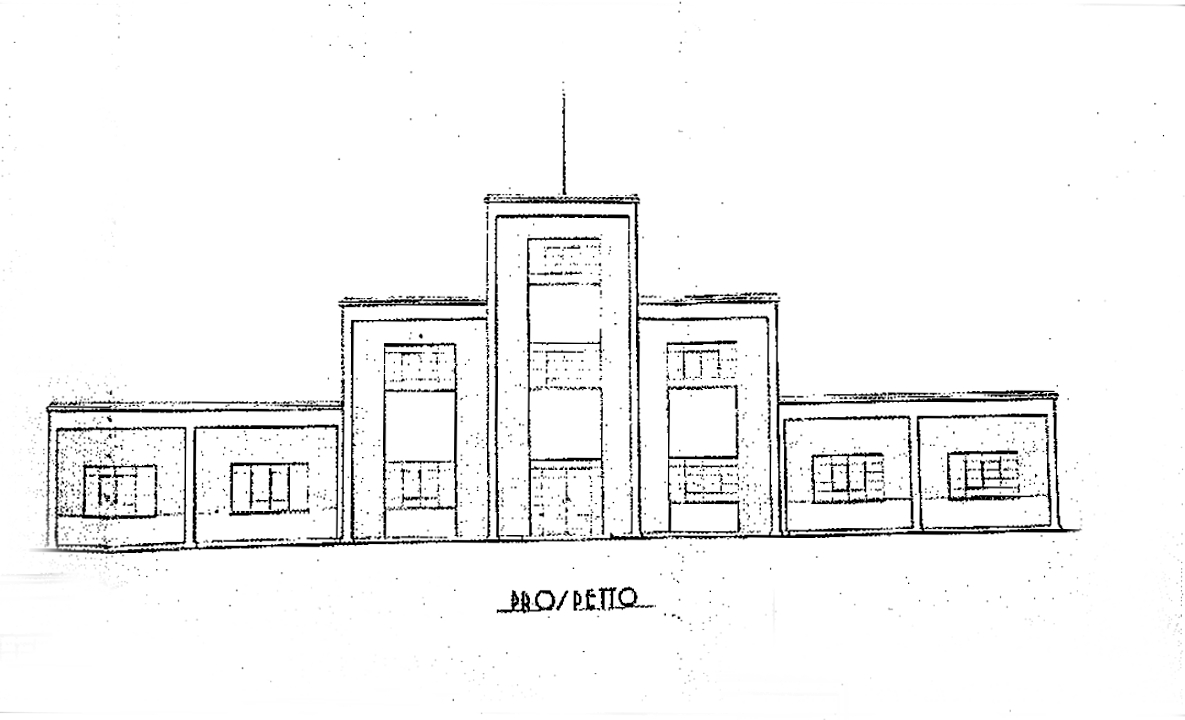
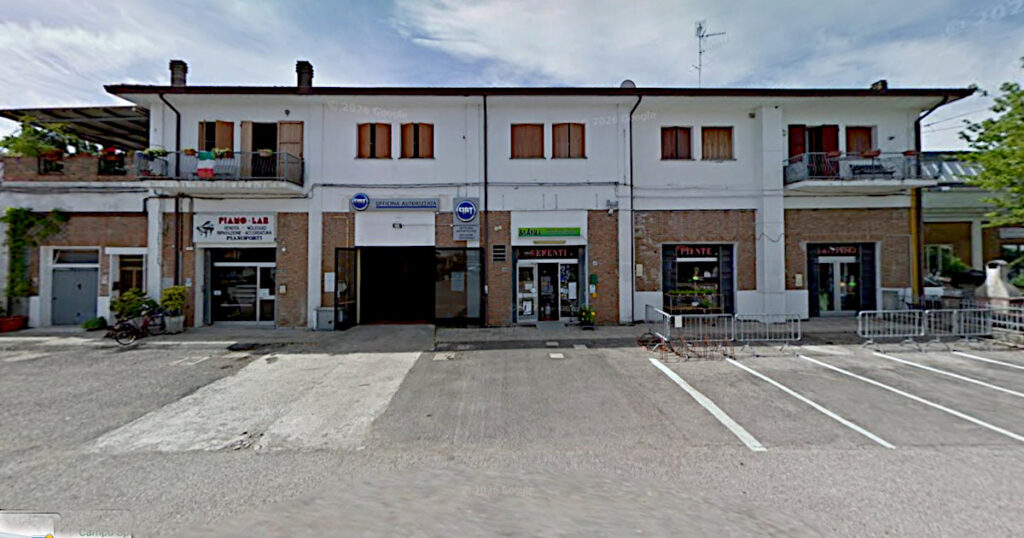
With an extremely simple façade and a distinctive Rationalist design, the building captures the essence of modernity and symbolic representation. The raised sections, and particularly the central tower, recall one of the models championed by the Fascist regime. The design was by engineer Frighi, Minister Rossoni’s trusted technician, but the idea was the fascist leader himself. Reinforced concrete, though alternated with the more traditional brick, still represents the building’s decorative and structural element, in keeping with the aesthetic interpretations of Rationalism. The original design, however, is severely compromised. The demolition of the tower, the creation of terraces, and the exterior whitewashing obscure one of Tresigallo’s iconic factories. Today, it houses numerous artisanal businesses.